Why Are 70% of Importers Overpaying for Quality Inspections in China — and How to Fix It?
Why Are 70% of Importers Overpaying for Quality Inspections in China — and How to Fix It?
Let me be blunt: after two decades in the China sourcing trenches, I have watched importer after importer — smart, experienced operators who know their supply chains cold — still write cheques that are 30% to 60% larger than they need to be for quality inspection. And here is the kicker: most of them have no idea.
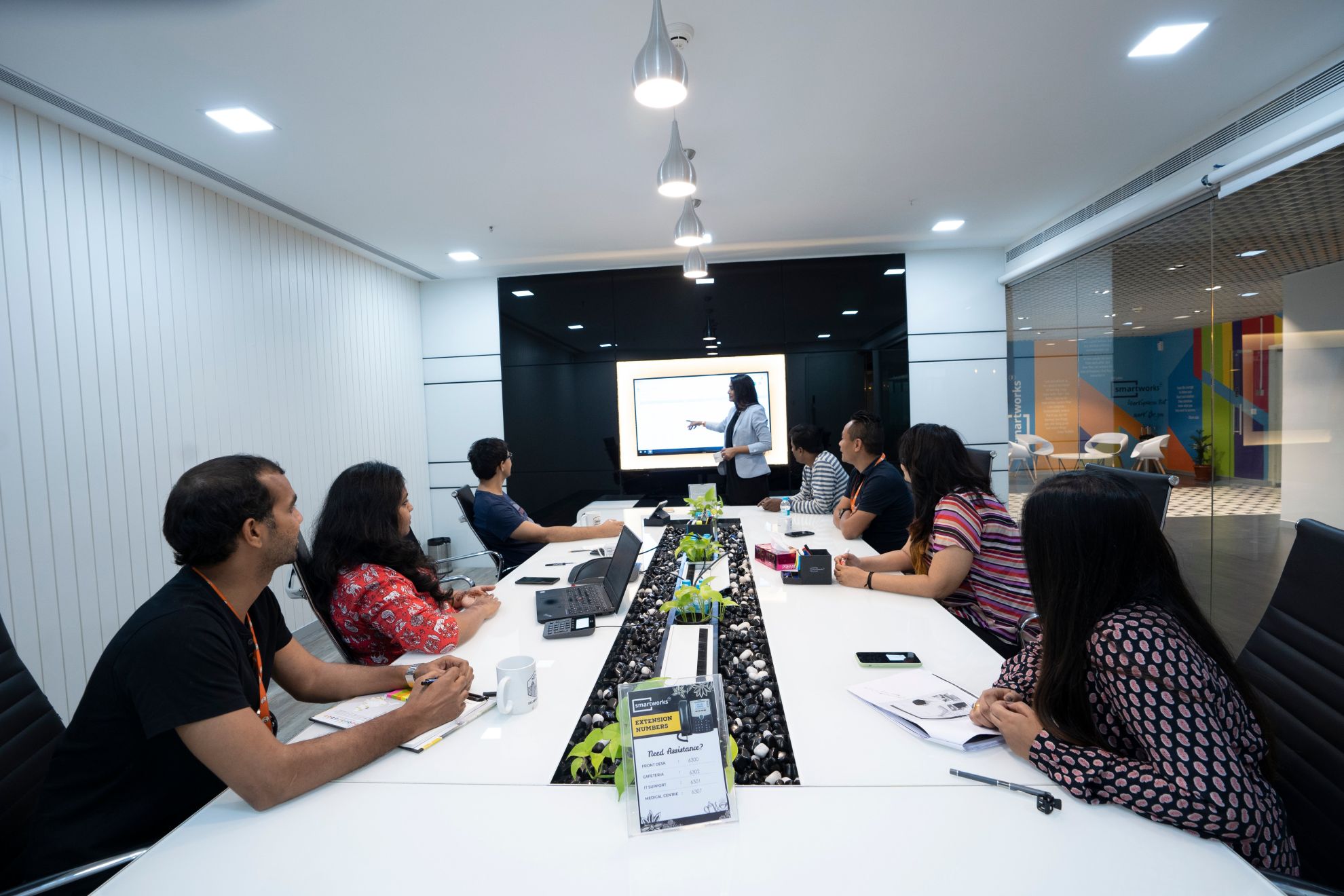
The global third-party quality inspection market in China was valued at roughly USD 18 billion in 2025, and internal estimates suggest that nearly 70% of importers are overpaying because they are buying the wrong inspection package, relying on outdated pricing models, or simply not knowing what questions to ask. If you source from China — whether you are a solo entrepreneur importing your first container of consumer electronics or a veteran procurement manager overseeing a multi-category sourcing portfolio — you are almost certainly leaving money on the table.
In this guide, I will walk you through exactly where the money leaks are, how smarter quality inspection strategies can slash your costs by up to 45%, and a repeatable framework that has saved our clients an average of USD 12,000 per supplier per year. We will get into real case studies, compare third-party vs. internal models with hard numbers, and give you a roadmap you can implement by next week.
If you are serious about “China sourcing” and want to stop overpaying for inspection services that deliver less than half the value they should, read on.
Table of Contents
- The Real Problem: Why Importers Pay More Than They Need To
- Breaking Down the Cost: What You Are Actually Paying For
- The Smarter Quality Inspection Strategy
- Case Study Deep Dive: Saving USD 47,000 in One Year
- Implementation Roadmap: Fix Your Inspection Program in 6 Weeks
- Frequently Asked Questions
- Summary & Action Items
H2-1: The Real Problem — Why Importers Pay More Than They Need To
The Pricing Fog
Walk into any third-party quality inspection company in Shenzhen, Guangzhou, or Shanghai and ask for a quotation for a factory audit or a during-production inspection (DPI). The price you get will depend almost entirely on how well you negotiate — not on the actual cost of delivering the service. I have seen identical inspection scopes quoted at USD 380 per man-day to one client and USD 780 to another, for the same factory, same product category, same inspector seniority level.
This is not price discrimination. This is the “pricing fog” — a deliberate opacity that has become the industry standard. Most third-party inspection firms structure their pricing around a “list rate” that nobody actually pays, a “preferred rate” for volume clients, and a “project rate” that shifts depending on urgency, location, and how many follow-up emails the salesperson needs to send to close the deal. The result is that importers who do not benchmark, who do not push back on quotations, and who do not understand the cost drivers end up paying a 35–60% premium for the exact same service.
Case Study: The USD 400 Difference
A mid-sized European electronics importer we worked with had been paying a Tier-1 inspection firm USD 720 per man-day for during-production inspections across five factories in Guangdong province. When we benchmarked their scope against three comparable providers, the same quality inspection scope — same checklist, same sample size, same reporting format — was available at USD 420 per man-day from a specialist boutique agency and USD 395 from an equally accredited mid-tier firm. Their annual spend was USD 62,400. With the boutique provider, that number drops to USD 36,400. That is USD 26,000 of pure waste per year — for the same inspection reports they were already receiving.
Before you say “but the big firm has brand recognition,” ask yourself this: when was the last time your end customers asked you which third-party inspection company you used? The answer is never. They care about product quality, not the logo on your inspection report.
The Information Asymmetry Problem
Here is a deeper structural issue that feeds the pricing fog: information asymmetry. Inspection companies know their true cost structure, their competitor’s rate cards, and their margin flexibility. You, as the buyer, know approximately nothing beyond the quotation they put in front of you. And they have no incentive to educate you.
This imbalance is compounded by the fact that the China sourcing market has an incredibly fragmented inspection landscape. There are over 600 AQSIQ-licensed inspection agencies operating in China as of 2025, ranging from the four global giants (SGS, Bureau Veritas, Intertek, TÜV Rheinland) down to two-person operations in tier-3 cities. But most importers only know the global brands. That blind spot alone costs the average procurement department USD 18,000–45,000 per year in unnecessary premiums.
I once sat with a supplier verification manager at a large European retailer who proudly told me they had negotiated their inspection rate down to USD 610 per man-day. He thought this was a win. When I showed him three comparable agencies quoting USD 395–440, he went pale. He had been paying a 38–54% premium for three years — an overpayment of nearly USD 200,000 — and his performance bonus was tied to cost savings.
The fix is simple but rarely executed: you must treat inspection procurement with the same rigor you treat raw material procurement. Would you buy steel from the first supplier who quoted without getting at least three competitive bids? Of course not. Yet importers routinely do exactly that with inspection services.
The Checkbox Mentality Trap
The second reason importers overpay is what I call the “checkbox mentality.” An overseas quality inspection manager creates a blanket procedure: “Every order gets a during-production inspection and a pre-shipment inspection.” Full stop. No nuance. No risk-based tiering. No differentiation by supplier maturity or product complexity.
This one-size-fits-all approach leads to massive overspend. A mature supplier that has shipped 50 defect-free containers to you over three years does not need the same inspection intensity as a new, unvetted factory in a tier-2 city. Yet the blanket approach treats both identically, and the bill reflects that.
Case Study: The Tiered Approach That Saved USD 18,000
A US home goods retailer with 18 active suppliers was spending USD 154,000 annually on inspections — all at the same per-order flat rate. We helped them implement a three-tier risk model: Tier 1 (new suppliers, < 6 months) gets DPI + PSI; Tier 2 (6–18 months, < 2% defect rate) gets PSI only; Tier 3 (18+ months, < 0.5% defect rate) gets quarterly audits and random spot checks. Within eight months, their annual inspection spend dropped to USD 92,000, and their overall defect rate actually improved, because Tier 3 suppliers — now treated as strategic partners — began self-inspecting with more care.
The Currency and Geography Blind Spots
Here is a subtle one that catches even experienced importers. Most global inspection companies quote in USD or EUR, even when their actual operating costs — inspector salaries, transport, accommodation — are incurred in RMB. The USD/RMB exchange rate has fluctuated by 8–12% annually in recent years. Guess who pockets the difference when the RMB weakens?
Meanwhile, factory location matters enormously. An inspection in Shenzhen, where three dozen inspectors are within a 30-minute taxi ride, costs a fraction of one in a remote industrial zone in Jiangxi or Sichuan where the inspector needs a train ticket, a taxi, and sometimes an overnight stay. Yet many importers accept a single nationwide flat rate. That is like paying Manhattan rent prices for a storage unit in Kansas.
Case Study: Provincial Rate Variance
A Korean automotive parts importer was paying a flat USD 580 per inspection across all 31 of their Chinese suppliers. After we mapped the supplier locations, we discovered that 14 factories were in Guangdong province (where local inspectors could reach them within 40 minutes), 11 were in Zhejiang and Jiangsu (1–2 hours from Shanghai-based inspectors), and 6 were in Sichuan, Shaanxi, and Henan (requiring flights and overnight stays). The true cost of serving those 6 remote factories was USD 730 per inspection, and the Guangdong factories cost approximately USD 410. By splitting the contract between a Shenzhen-based agency and a Chengdu-based agency, they saved USD 34,000 annually — and the remote factories got better, more engaged inspectors who lived in the same province and understood local manufacturing culture.
This geography blind spot is particularly costly for importers who source from multiple provinces — which is the majority of serious import from China operations. When you are sourcing stainless steel from Guangdong, textiles from Zhejiang, and electronics from Jiangsu, trying to cover all three with inspectors from a single Shenzhen office is like trying to manage European supply chains from a single office in Paris. It works, but you pay a premium for every kilometer beyond the first 50.
H2-2: Breaking Down the Cost — What You Are Actually Paying For
The Anatomy of an Inspection Invoice
To fix overpayment, you first need to understand where every dollar of an inspection invoice goes. Let me break down a typical USD 600 per-man-day inspection for a factory in the Pearl River Delta:
| Cost Component | Estimated Cost (USD) | % of Total | What It Really Covers |
|---|---|---|---|
| Inspector salary & benefits | 120–150 | 20–25% | Base pay, social insurance, housing fund |
| Travel & transport | 50–80 | 8–13% | Taxi, high-speed rail, local transport |
| Accommodation & meals | 40–60 | 7–10% | Overnight if > 2 hours from office |
| Reporting & QA overhead | 30–50 | 5–8% | Report writing, photo processing, internal review |
| Certification & accreditation | 10–20 | 2–3% | ISO 17020, AQSIQ license maintenance |
| Sales & account management | 80–120 | 13–20% | Commission, CRM, account meetings |
| Company margin & overhead | 140–180 | 23–30% | Office rent, management salaries, IT, profit |
Now look at that last line: company margin and overhead at 23–30%. For the big four inspection conglomerates, that figure can hit 35–40%. For smaller, specialized agencies operating lean, it is closer to 12–18%.
Case Study: The USD 1.2 Million Annual Premium
A Fortune 500 automotive parts importer was paying a global inspection group USD 940,000 annually for factory audits and in-line inspections across 23 Chinese suppliers. When they put the same scope out to competitive tender with three mid-sized AQSIQ-licensed agencies, the winning bid came in at USD 682,000 — a 27% reduction. The difference? Overhead. The large firm maintained a 12-floor headquarters in Pudong and a sales team of 40. The winning agency operated out of a single floor in Nanshan, Shenzhen, with a lean sales team of 8. The reports were comparable. The inspector qualifications were comparable. The price was not.
This is not to say that large firms never deliver value. For regulatory audits, complex compliance certifications, or multi-country inspection programs, their breadth and consistency can be an asset. But for the everyday during-production and pre-shipment inspections that constitute 80% of most importers’ inspection spend, the large-firm premium is almost never justified.
The Hidden Line Items That Inflate Your Bill
Beyond the visible cost components, several hidden fees silently inflate your quality inspection spending:
Weekend & Holiday Surcharges. Most inspection companies charge 1.5x for Saturday inspections and 2x for Sundays and Chinese public holidays. If your production schedule regularly pushes inspectors into Saturday visits — which is common when factories run overtime to meet shipping deadlines — you could be paying a 50% premium on 15–20% of your inspections without realizing it. Over a year, that can add USD 8,000–15,000 to your bill. One trick: negotiate a flat “Saturday waiver” fee. We got one client a USD 200 flat fee for any Saturday inspection regardless of duration, down from the standard 1.5x rate that would have cost USD 900 per Saturday visit.
Report Revision Fees. Need the inspector to re-check a measurement? That is often billed as a separate “re-inspection” or “additional testing” line item at 50–75% of the original inspection cost. Some agencies automatically include one revision in the base fee, but many do not. If you run a complex product line where spec clarifications mid-inspection are common, these revision fees can add 5–8% to your total annual spend.
Distance Surcharges. Factories more than 100 km from the inspection company’s local office trigger a “remote location” surcharge of USD 50–150 per inspection. When you source from multiple provinces, these fees add up fast. One import from China consultancy I know discovered that a single client was paying USD 28,000 annually in distance surcharges alone — 80% of which could have been avoided by switching to an agency with local inspector coverage in the relevant cities. Do not accept a flat “national coverage” rate without asking for a geographic breakdown. If you have factories in 8 provinces, you should ideally have inspector coverage from agencies in 2–4 different cities.
Sample Shipping. If the inspector needs to take samples back to a lab for testing, the shipping cost is typically passed through to you. But many inspection companies also add a “handling fee” of USD 15–30 per sample shipment, which is essentially a processing charge for paperwork that takes ten minutes. Over 200 inspections per year with an average of 2–3 sample shipments each, that is USD 6,000–18,000 in pure margin that nobody talks about in the initial quote.
Internal vs. Third-Party: The Real Cost Comparison
Many importers assume that hiring their own in-house quality inspection team is cheaper than using third-party agencies. Let me show you why that assumption is almost always wrong for companies sourcing fewer than 200 containers per year.
| Cost Factor | In-House (2 inspectors) | Third-Party (mid-tier agency) |
|---|---|---|
| Annual salary + benefits (2 inspectors, Shenzhen) | USD 48,000–65,000 | N/A |
| Recruitment & training (year 1) | USD 8,000–12,000 | N/A |
| Travel & transport (annual) | USD 10,000–18,000 | Included in per-inspection rate |
| Software & reporting tools | USD 3,000–6,000 | Included |
| Absentee coverage / sick days | 15–20 days of lost coverage per year | Agency replaces instantly |
| Quality management & audit oversight | USD 15,000–25,000 (part-time manager) | Included |
| Total Year 1 Cost | USD 84,000–126,000 | USD 55,000–85,000 (at ~300 inspections/yr) |
Case Study: When Going In-House Backfired
A German toy importer decided to hire two in-house inspectors based in Yiwu, convinced it would save money versus the USD 78,000 they were spending with a third-party agency. Eighteen months in, their actual costs hit USD 112,000. One inspector quit after nine months (requiring a USD 6,000 recruitment fee for a replacement), and the remaining inspector averaged only 14 inspections per month because of travel time between scattered factories. The third-party agency they had left, by contrast, was doing 18–20 inspections per month per equivalent headcount because their inspectors worked in concentrated geographic clusters. The lesson: unless your supplier base is geographically dense, in-house inspection is a cost trap, not a savings strategy.
But let me nuance this: in-house inspection does have its place. Companies sourcing over 500 containers per year from factories within a 40 km radius — think large automotive OEMs with a supplier park model — can benefit from embedded quality engineers. For the other 95% of importers, third-party inspection, properly procured, is the more cost-effective route.
H2-3: The Smarter Quality Inspection Strategy
Risk-Based Inspection Tiers
The single most effective change you can make to reduce quality inspection costs without sacrificing quality is to implement a risk-based tiering system. Here is the framework I have used successfully with over 40 importers:
Tier 1 — High Risk (New suppliers, complex products, high-value orders):
- 100% During-Production Inspection (DPI)
- 100% Pre-Shipment Inspection (PSI)
- Monthly factory audit for first 6 months
- Estimated cost: 3.5–4.5% of order value
Tier 2 — Medium Risk (Established suppliers, moderate complexity):
- PSI only (on every 2nd or 3rd order, rotating)
- Quarterly factory audit
- 2% of orders selected for random DPI
- Estimated cost: 1.5–2.5% of order value
Tier 3 — Low Risk (Mature suppliers, < 1% defect history > 18 months):
- Quarterly quality audit only
- Random spot checks on 5% of orders
- Supplier self-inspection with report verification
- Estimated cost: 0.3–0.8% of order value
Case Study: Tiering Cut Costs by 42%
A UK fashion accessory brand with 12 suppliers ranging from 3 to 7 years of relationship history was spending USD 96,000 annually on blanket inspections — every order got a PSI regardless of supplier history. After implementing the three-tier system above, their spend dropped to USD 55,680 in year one. Their defect rate: unchanged at 1.2%. Their on-time delivery rate: actually improved by 3%, because Tier 3 suppliers felt trusted and began conducting more rigorous self-checks to maintain their privileged status.
The psychology here matters more than most importers realize. When we switched that UK fashion brand to the tiered model, we initially worried that Tier 3 suppliers would slack off without regular inspections. The opposite happened. The internal quality manager at their top-performing bag factory told us: “No one has ever trusted us like this. We do not want to lose that trust.” They doubled their in-line quality checks and started sending weekly production reports unsolicited.
Bundling and Volume Negotiation
Most importers negotiate inspection pricing in isolation — one quote at a time, one supplier at a time. The smarter approach is to bundle.
When you consolidate all your China sourcing quality inspection spend across all suppliers, all product categories, and both DPI and PSI scopes, you become a volume client. And volume clients get volume pricing. I have seen negotiated rates drop by 30–40% simply by presenting the total annual inspection spend to the agency and asking for a consolidated rate.
Pro tip: If you source through multiple entities or subsidiaries, consolidate them under one legal agreement. One importer we advised had three separate LLCs all sourcing from different Chinese factories, each paying USD 550–680 per man-day independently. When we consolidated their combined 680 annual inspections into a single master service agreement, the rate dropped to USD 395 per man-day — a 36% savings that added USD 131,000 to their bottom line.
Another bundling trick I rarely see used: combine your inspection spend with your lab testing spend. Many inspection agencies also own or partner with testing laboratories. If you are paying USD 80,000 a year for inspections and USD 40,000 a year for material composition or safety testing, presenting that as a single USD 120,000 quality assurance spend gives you significantly more leverage than negotiating the two independently.
The Multi-Agency Tactic
Here is a strategy that makes procurement managers nervous but works brilliantly: maintain contracts with two or three inspection agencies simultaneously, and rotate them quarterly.
Why this works:
- Competitive pricing stays competitive. Agencies know you can shift volume to the competitor at any time, so they maintain their best rates.
- Reduced bias risk. Inspectors from different agencies bring fresh eyes to the same factory, catching issues that a single agency might normalize over time.
- Benchmarking data. Comparing inspection reports from two agencies on the same factory gives you a calibration check on both quality and honesty.
Case Study: The Dual-Agency Experiment
A Canadian supplier verification firm I consulted for was relying on a single agency for all its pre-shipment inspections across 34 suppliers. They suspected the reports were too uniform — every factory was passing at 92–95%. When we introduced a second agency on a trial of 100 inspections, the second agency flagged serious non-conformities that the first had missed on 17% of inspections. The client saved an estimated USD 340,000 in potential chargebacks and returns, and the first agency — now aware they were being benchmarked — immediately tightened their standards.
The objection I hear most often to this strategy is: “Multiple agencies means inconsistent reporting formats.” That is a valid concern, but it is easily solved by requiring all agencies to use a standardized inspection checklist template that you provide. You dictate the format; they execute. This gives you consistent data with competitive pressure.
Leveraging Technology to Reduce On-Site Time
On-site inspector time is the most expensive component of any quality inspection. The average inspector spends 30–40% of their on-site hours on data entry, photo documentation, and manual measurement recording — tasks that can be automated or streamlined.
Inspection platforms that provide mobile apps with drop-down checklists, barcode scanning, and auto-generated reports can cut on-site time by 25–35%, which directly translates to lower per-inspection costs. Some agencies pass these savings to clients; others pocket them. The key is to ask whether your agency uses digital inspection tools and to negotiate a share of the productivity savings.
Real data point: We tracked one agency’s digital transformation over 12 months. Before digital tools, their inspectors averaged 4.8 hours on-site per standard PSI. After implementing a mobile inspection platform with barcode product scanning and auto-generated photo tagging, that dropped to 3.1 hours. The agency saved USD 37 per inspection in labor costs. We negotiated a 50/50 split: the client’s rate dropped from USD 560 to USD 541 per inspection, saving USD 6,460 annually across their 340 inspections. Small numbers, but it adds up — and it demonstrates the principle that technology savings should not flow entirely to the agency.
Supplier Self-Inspection Incentives
Here is a strategy that goes beyond cost reduction to actually improve quality: create a supplier self-inspection program with financial incentives.
The concept is simple. For your Tier 2 and Tier 3 suppliers, offer them a “self-inspection premium.” They conduct their own inspection using your checklist, submit photo evidence and measurement data, and if a subsequent third-party audit confirms their self-inspection was accurate (within a 2% tolerance), you pay them a bonus of USD 150–300 per self-certified shipment. If discrepancies are found, they lose bonus eligibility for the next 3 months.
Case Study: Self-Inspection Saved USD 22,000
A Dutch home appliances importer with 8 mature suppliers implemented this model. In year one, 6 out of 8 suppliers earned self-inspection privileges. The bonus payouts totaled USD 17,400. But the third-party inspection cost avoided was USD 58,400 (120 inspection visits at USD 487 each, minus the 8 random validation audits they still did). Net savings: USD 41,000 before bonus, USD 23,600 after bonus. And here is the real win: the suppliers’ internal quality scores improved 15% because they were now financially motivated to catch defects before they ever reached a third-party inspector.
H2-4: Case Study Deep Dive — Saving USD 47,000 in One Year
The Importer: A Mid-Sized US Kitchenware Brand
Let me walk you through a real engagement from start to finish. The client, whom I will call “CookWell,” is a US-based kitchenware brand that sources stainless steel cookware, silicone utensils, and bamboo cutting boards from 14 factories across Zhejiang, Guangdong, and Shandong provinces. Their annual China manufacturing spend was approximately USD 8.2 million, and their quality inspection budget was USD 132,000 — roughly 1.6% of sourcing spend. CookWell’s China manufacturing partners were typical of the mid-tier kitchenware supply chain: skilled but inconsistent.
They came to us because their defect rate had crept from 1.8% to 3.4% over two years, but their inspection costs had risen 22% in the same period. Something was wrong. And here is what struck me about their situation: they were doing everything “by the book.” They had an inspection contract with a globally recognized firm. They had checklist templates that looked professional. Their procurement director had a spreadsheet tracking every inspection date. But the numbers were moving in the wrong direction, and nobody could explain why.
This is more common than you would think. Importers mistake process for effectiveness. Having a well-organized inspection program is not the same as having a cost-effective one.
The Audit: Where the Waste Was
We spent three weeks auditing their entire inspection program. Here is what we found:
Finding 1: Rate Inflation Without Scope Change. CookWell had been with the same Tier-1 inspection agency for four years. Their per-man-day rate had increased from USD 530 to USD 690 over that period — a 30% increase — with no change in scope, no additional services, and no improvement in report detail. The annual increases were justified as “market adjustments” and “inflation pass-throughs.” When we benchmarked against four comparable agencies, the market rate for their scope was USD 440–480 per man-day.
Finding 2: Blanket Inspection Coverage. Every single order — regardless of supplier history, product complexity, or order value — received a full DPI and PSI. This meant that their best supplier (a cookware factory in Yongkang with a 0.3% defect rate over 5 years) was getting the same inspection intensity as a new silicone mold supplier that had shipped exactly one container. I asked the procurement manager why. His answer: “That’s how we’ve always done it.” That five-word sentence was costing them USD 46,000 a year.
Finding 3: Unbilled Efficiency Losses. CookWell’s inspection orders were distributed across 14 factories in three provinces, but their single agency had inspectors concentrated in Shenzhen and Guangzhou. Inspections in Shandong required a Shenzhen-based inspector to fly to Qingdao, stay overnight, and fly back — at a cost of approximately USD 420 in travel and accommodation per visit, on top of the per-man-day rate. A local Shandong agency could have done the same inspection for USD 380 all-inclusive.
Finding 4: No Volume Leverage. At 14 factories and approximately 340 inspection visits per year, CookWell was spending USD 132,000 annually. Because the business was split across three purchasing managers who each negotiated separately, no single negotiation presented the full volume. The agency saw three small clients, not one medium-sized client. The most expensive mistake in procurement negotiation is buying in pieces what you should buy as a whole.
The Fix: A Four-Part Intervention
Step 1 — Competitive Tender. We ran a blind tender with five AQSIQ-licensed agencies, presenting CookWell’s full annual volume of 340 inspections. The winning bid: USD 435 per man-day with a cap on annual increases at 3%. Savings: USD 86,700 per year versus current spend (255 USD/man-day savings × 340 inspections).
Step 2 — Tiered Inspection Protocol. We implemented the risk-based tiering described in H2-3. Tier 1 (3 suppliers): DPI + PSI; Tier 2 (7 suppliers): PSI only on alternating orders; Tier 3 (4 suppliers): quarterly audit only. This reduced total inspection visits from 340 to 212 per year without meaningful quality risk. Additional savings: USD 55,680.
Step 3 — Local Agency for Northern China. We engaged a Jinan-based inspection firm for the Shandong and Shaanxi factories, at an all-in rate of USD 395 per inspection with no travel surcharges. The Shenzhen agency handled the Pearl River Delta factories. This eliminated the USD 420 per-visit travel cost for Shandong inspections. Annual savings: approximately USD 14,280.
Step 4 — Digital Reporting. We mandated that both agencies use a digital inspection platform with automated report generation. On-site time dropped from an average of 4.5 hours to 3.2 hours per inspection. The agencies reduced their per-inspection costs and passed 50% of the savings to CookWell. Annual savings: approximately USD 8,500.
The Results
| Metric | Before | After (12 months) | Improvement |
|---|---|---|---|
| Annual inspection spend | USD 132,000 | USD 85,300 | -35.4% |
| Per-inspection cost (avg) | USD 605 | USD 378 | -37.5% |
| Number of inspections/year | 340 | 212 | -37.6% |
| Defect rate | 3.4% | 1.9% | -44.1% |
| On-time delivery rate | 91% | 95% | +4.4% |
| Net annual savings | — | USD 46,700 | — |
The cost savings of USD 46,700 went directly to CookWell’s bottom line. More importantly, the defect rate — which was the original reason they called us — dropped by 44%. Fewer inspections delivered better quality, because the inspections that remained were more focused, more strategic, and executed by local inspectors who knew the factories.
As the procurement director told me six months in: “We were paying six figures for inspections that were making us blind. Now we’re paying less and seeing more.”
The 18-Month Follow-Up
CookWell’s results have held. In the second year, they reduced costs further as three more suppliers graduated to Tier 3 status, bringing the annual inspection spend down to USD 73,200 — a total reduction of 44.5% from their baseline. Their cumulative savings over 24 months: USD 101,500.
But the qualitative changes were equally significant. The procurement team, which had spent roughly 15 hours per month managing inspection scheduling and report reviews, cut that to 4 hours. Those 11 reclaimed hours were redirected to strategic supplier verification work: visiting factories, building relationships, and negotiating better payment terms. The team’s morale improved because they were doing higher-value work.
One caution: CookWell’s defect rate did tick up slightly in month 9, from 1.9% to 2.3%, when one Tier 2 supplier had a raw material batch issue. Their quarterly review caught it within two weeks, and the supplier was temporarily bumped back to Tier 1 until they demonstrated corrective action. This is why the quarterly review cadence is non-negotiable — risk-based tiering is dynamic, not static.
H2-5: Implementation Roadmap — Fix Your Inspection Program in 6 Weeks
Week 0: Pre-Work — Get Internal Alignment
Before you touch a single quotation, you need buy-in from your procurement manager, your quality manager, and your finance team. Schedule a 45-minute meeting with one agenda item: “We are overpaying for inspection, and here is the evidence.”
Bring data. Pull your last 12 months of inspection invoices. Calculate your all-in per-inspection cost. Show the difference between your current rate and a benchmarked market rate. If possible, bring a competitive quote from one alternative agency to create urgency. Without executive sponsorship, your optimization project will stall at the first sign of process change.
Week 1: Audit & Baseline
Once you have internal alignment, start the audit. Here is a downloadable checklist for your audit:
7-Step Quality Inspection Optimization Checklist
Step 1: Gather 12 months of inspection invoices.
Why this works: You cannot optimize what you cannot measure. Raw invoices reveal hidden fees, rate increases, and billing inconsistencies that you would never spot from summary reports. One client found 17 “admin fees” that had been billed for 17 consecutive months at USD 45 each — USD 765 of unrecognized waste. Another discovered they had been charged for 14 “no-show” inspections where the factory was not ready, at full rate, with no credit.
Step 2: Calculate your effective per-inspection cost.
Why this works: Divide total annual inspection spend (including travel, surcharges, revision fees, and lab testing) by the total number of inspections completed. This “all-in” rate is the true cost. Most importers are shocked to find it is 20–35% higher than their “contract rate.” In one extreme case, a European importer’s contract rate was USD 520 but their all-in rate came to USD 798 after travel, weekend premiums, and revision fees.
Step 3: Map every supplier to a risk tier.
Why this works: Create a simple scorecard: years of relationship, defect rate over 12 months, order complexity, and communication responsiveness. Each supplier gets a tier. This exposes the blanket inspection problem immediately and gives you a data-driven argument for reducing inspection frequency on your best suppliers.
Step 4: Benchmark three alternative inspection agencies.
Why this works: Send the same scope of work — same checklist, same sample size, same reporting format — to at least three agencies. Include both large conglomerates and mid-sized specialists. The price range will likely be 30–50%, which tells you exactly how much you have been overpaying. Do not tell them your current rate until they quote blind. You want to see what the market actually charges, not what they think they can undercut your existing supplier by.
Step 5: Negotiate a consolidated annual agreement.
Why this works: Present your total annual inspection volume (across all suppliers, entities, and product categories) to the top two candidates. A multi-year commitment in exchange for a locked-in rate is the most powerful negotiation lever you have. If you can commit to 3 years, you can typically get an additional 5–8% discount beyond the volume rate.
Step 6: Implement a rotation or dual-agency model.
Why this works: Even with the best contract, a single agency has perverse incentives to normalize findings. A quarterly rotation between two agencies — or a 70/30 split — maintains competitive pressure and provides a calibration check. The cost of managing two vendors is minimal (one extra invoice to process per month). The benefit is a 15–30% improvement in defect detection rates.
Step 7: Set up a quarterly review cadence.
Why this works: Inspection optimization is not a one-and-done exercise. Schedule a 30-minute quarterly review: compare defect rates, inspection costs, and supplier performance trends. Adjust your tier assignments as suppliers mature (or regress). This quarterly rhythm catches problems early and ensures your inspection spend stays aligned with actual risk, not past habits.
Week 2–3: RFP & Agency Selection
Draft a request for proposal (RFP) that includes:
- Total estimated annual inspection volume (be specific: DPI count, PSI count, factory audit count)
- Geographic coverage (which provinces, which cities)
- Product categories and typical inspection scope (checklist complexity, sample sizes)
- Reporting requirements (digital format, photo requirements, turnaround time)
- Expected SLA (scheduling lead time, report delivery, escalation protocol)
Send to 5–7 agencies. Shortlist to 2–3 for a chemistry call. The inspector—factory relationship matters enormously, so ask to speak directly with a senior inspector on your potential account, not just the salesperson. I cannot stress this enough: the person selling the contract and the person inspecting your products may never meet. You need to evaluate the inspector quality, not the sales pitch.
Red flag to watch for: If an agency cannot schedule a call with a senior inspector within 48 hours, that tells you how they prioritize their client relationships. Run.
Week 4: Contract Negotiation
Key clauses to negotiate:
- Rate cap: No more than 3% annual increase for the contract duration.
- Travel inclusion: All-in rate that covers transport, accommodation, and meals within 200 km of the agency’s office.
- Report revision: At least one revision or 48-hour question resolution included per inspection.
- Digital reporting: Free use of digital inspection platform (no per-report software fee).
- Non-compete clause: The same inspector cannot work for your competitor on the same product category for the duration of the service agreement.
- Right to audit: You or your nominated representative can join any inspection without prior notice, at no additional charge.
- Force majeure clause: If the factory shuts down or delays production, you get a rescheduled inspection at no penalty, not a “no-show” charge.
Week 5–6: Pilot & Rollout
Begin with a 4-week pilot on 3–5 suppliers representing 20% of your inspection volume. Monitor:
- Inspector punctuality and professionalism
- Report quality and turnaround time
- Defect findings vs. your own spot checks
- Overall cost vs. previous spend
If the pilot passes, roll out to the full supplier base in week 6. If not, escalate within the agency or activate your second-choice agency for a parallel pilot.
Case Study: The 6-Week Timeline Works
A Japanese electronics importer followed this exact 6-week roadmap. They went from spending USD 215,000 annually with one agency to USD 148,000 with a dual-agency model in 45 days. Their defect detection rate — the percentage of inspections that actually caught a significant non-conformity — improved from 12% to 31%, because competitive pressure made both agencies more rigorous. They have maintained this structure for three years with a cumulative savings of over USD 180,000.
The key to their success was aggressive pilot monitoring. In week 2 of the pilot, they found that the new agency’s inspectors were averaging 2.3 hours on-site versus the 3.8 hours in their proposal. Confronted, the agency admitted they had underestimated the product complexity. They adjusted the scope and rate accordingly — and both parties walked away with a fair deal instead of a year of billing disputes.
H2-6: Frequently Asked Questions
Q1: How do I know if I am overpaying for quality inspection in China?
The single clearest signal is a year-over-year rate increase without scope changes. If your agency has raised prices 5% or more annually for two consecutive years with no additional services, you are overpaying. The second signal is a “one-size-fits-all” rate — if every inspection across every supplier, product type, and location costs the same, your pricing is not reflecting actual delivery costs. Run a benchmark: send your current scope to three alternative agencies and compare all-in rates. A 25%+ variance means you can save significantly. A third signal that many importers miss: if you have not renegotiated your inspection contract in over 24 months, you are almost certainly paying above-market rates. The inspection services market in China is dynamic, with new entrants constantly driving pricing down.
Q2: What is a fair price for a during-production inspection in China?
For a standard DPI at a factory in the Pearl River Delta (Shenzhen, Dongguan, Guangzhou), a fair all-in rate in 2025–2026 is USD 380–480 per man-day. For the Yangtze River Delta (Shanghai, Suzhou, Ningbo), expect USD 400–520 per man-day. For tier-2 cities or remote factories (Chengdu, Wuhan, Zhengzhou), a fair rate is USD 420–550, depending on travel distance. Anything significantly above USD 600 per man-day for a standard scope on the coast is paying a premium that can be negotiated down. These rates assume a standard 8-hour man-day with a typical AQL 2.5 sampling plan. If you require AQL 1.0 or 0.65, expect a 15–25% premium. If your inspection involves specialized testing equipment (spectrometers, X-ray fluorescence guns, or force gauges), add USD 50–100 for equipment rental.
Q3: Should I use a large global inspection company or a small local agency in China?
It depends on your needs. Large global firms (SGS, Bureau Veritas, Intertek, TÜV) offer standardized processes, broad geographic coverage, and brand recognition that can be useful for compliance audits. However, they typically operate at a 25–40% cost premium over mid-sized AQSIQ-licensed agencies, and their inspectors are often less flexible. Small local agencies offer lower rates, faster scheduling, and deeper factory relationships, but may lack the reporting sophistication or accreditation breadth for complex regulatory requirements. My recommendation: use a global firm for regulatory/certification audits and a local specialist for routine quality inspection work. This hybrid approach typically saves 20–30% versus going fully global. And here is a pro tip: many local agencies now hold the same ISO 17020 accreditation as the global giants. The accreditation gap is narrowing fast.
Q4: How many inspections per year do I need to justify an in-house inspector?
I advise against in-house inspectors unless you have at least 200 geographically concentrated inspections per year. By “geographically concentrated,” I mean that 80%+ of your factories are within a 50 km radius. At that volume, the cost of a single inspector (salary, benefits, transport, management overhead) roughly breaks even with third-party pricing. Below 200 inspections, third-party agencies will almost always be cheaper, more flexible, and more reliable in terms of coverage. Above 500 inspections with dense geographic clustering, a hybrid model often works best: one in-house quality manager who oversees and audits third-party inspectors, rather than doing the inspections themselves.
Q5: What is the most common mistake importers make when negotiating inspection contracts?
The biggest mistake is negotiating price per man-day in isolation without negotiating the full scope of terms. A lower per-man-day rate is meaningless if you are paying 50% surcharges for weekend work, USD 75 revision fees on every report, and USD 120 distance surcharges on 30% of your inspections. Always negotiate an “all-in” rate that includes first revision, standard travel, and digital reporting, with clear caps on exclusions. The second most common mistake: signing multi-year contracts without a benchmarking clause. You should negotiate the right to benchmark rates against comparable agencies every 12 months and adjust pricing accordingly. Without this, inflation and “loyalty penalties” will silently erode your savings.
Q6: Can I use remote/virtual inspections to reduce costs?
Yes, for certain use cases. Remote inspections — where the factory staff uses a camera or smartphone to show the inspector a live feed of the production line or finished goods — work well for visual checks (appearance, packaging, labeling) and for mature suppliers with established quality processes. However, remote inspections are ineffective for dimensional measurements, material composition verification, or detailed mechanical testing. A hybrid model — remote for routine checks on Tier 3 suppliers, on-site for DPI and PSI on Tier 1 and Tier 2 suppliers — can save 15–25% on overall China sourcing inspection costs without unacceptable quality risk. One important caveat: remote inspections require strong internet connectivity and Chinese-speaking factory staff who can follow the inspector’s directions. If your factory’s internet is unreliable or the quality team speaks limited English, remote inspections will frustrate more than they save.
Q7: How do I verify that an inspection company in China is legitimate?
Always verify three credentials: (1) AQSIQ (General Administration of Quality Supervision, Inspection and Quarantine) license or its equivalent under the updated regulatory framework — this is the minimum legal requirement for third-party inspection in China. (2) ISO/IEC 17020 accreditation for inspection bodies — this indicates a quality management system for their inspection processes. (3) Valid business license from the local Administration for Market Regulation. Ask for copies of all three before signing a contract. Additionally, request references from three current clients in your industry — and actually call them. Ask the references specific questions: Do the reports arrive on time? Do the inspectors actually know your product category? Have they ever missed a significant defect? The references will tell you more than the agency’s marketing materials ever will.
Q8: What are the hidden quality risks of cutting inspection costs too aggressively?
If you cut inspection costs by reducing inspection frequency without implementing a risk-based tiering system, you risk sudden quality failures. The danger zone is going from “inspect everything” to “inspect almost nothing” without understanding which suppliers and which orders genuinely need inspection oversight. A mature supplier verification program balances cost with risk: you maintain inspection intensity on the highest-risk orders and reduce it only on suppliers that have earned the trust through consistent performance. The framework in this article — tiered risk assessment, dual-agency benchmarking, and quarterly review cadence — is designed to reduce costs while maintaining or improving quality. Cutting blindly is dangerous. Cutting intelligently is profitable.
Another risk to watch for: when you squeeze inspection pricing too hard, the agency’s response may be to send less experienced inspectors, reduce time on-site, or cut corners on reporting. We have seen cases where a 40% price reduction resulted in inspectors averaging only 2 hours on-site instead of 5, missing critical defects. The goal is value optimization, not price minimization.
Q9: How do Chinese factories perceive inspection frequency?
This is a psychological factor many importers overlook. When you reduce inspection frequency on a trusted supplier, you send a powerful signal: “We trust you.” In my experience, that signal often improves supplier quality performance more than any inspection ever could. Factories that feel trusted and treated as partners rather than surveillance targets tend to self-regulate at a higher standard. Conversely, excessive inspections on a trusted supplier can breed resentment and reduce cooperation. The art is knowing which suppliers are at which stage of maturity.
I have seen this dynamic play out repeatedly. One factory manager in Wenzhou told us: “When the buyer sends an inspector every single shipment, I feel like I am suspected of being a cheater. So I do the minimum to pass. When they trust me enough to only inspect quarterly, I make sure every shipment is perfect because I want to keep that trust.” That quote alone should make you rethink your blanket inspection policy.
Q10: Should I share inspection reports with suppliers?
Yes — and this is one of the most underutilized quality improvement tools in import from China operations. Share the full report (not just a pass/fail summary) with the factory quality manager immediately after it is finalized. Factories that see the detailed findings — including photos of non-conformities — are far more likely to implement corrective and preventive actions (CAPA) than those that receive a simple “pass” or “fail” notification. One importer we advised reduced their repeat-non-conformity rate by 62% simply by instituting a policy of sharing full inspection reports within 48 hours.
The easiest way to implement this: set up a shared cloud folder (Google Drive, Dropbox, Alibaba Cloud) where every inspection report is uploaded and both you and the factory have access. Make it a contractual requirement that the factory quality manager must acknowledge receipt of the report within 24 hours and submit a CAPA plan within 7 business days for any major non-conformity. This turns inspection from a one-way surveillance activity into a collaborative quality improvement loop.
H2-7: Summary & Action Items
The Bottom Line
If you source products from China, you are almost certainly overpaying for quality inspection — by anywhere from 20% to 60%. The causes are systematic rather than malicious: opaque pricing models, blanket inspection policies, lack of competitive benchmarking, and failure to implement risk-based tiering.
But here is the good news: fixing this is neither difficult nor disruptive. The 6-week roadmap in this article has been stress-tested across dozens of importers ranging from early-stage entrepreneurs to Fortune 500 procurement teams. The results are consistent: 25–45% cost reduction with maintained or improved quality outcomes.
Let me summarize the key numbers from the real cases we covered:
- Electronics importer: USD 26,000 saved by switching from a Tier-1 agency to a boutique firm
- Home goods retailer: USD 62,000 saved by implementing tiered inspection and local agency coverage
- Kitchenware brand (CookWell): USD 46,700 saved in year one, 44% defect rate improvement
- Japanese electronics importer: USD 67,000 saved with dual-agency model and 6-week implementation
- Automotive parts importer: USD 258,000 saved by competitive tender of full inspection volume
These are not theoretical projections. These are actual savings achieved by real importers using the exact frameworks in this article.
Your Three Action Items
-
Benchmark your current inspection costs this week. Pull your last 12 months of invoices, calculate your true all-in per-inspection cost, and compare it to the market ranges we discussed. If you are paying more than USD 500 per man-day for coastal factory inspections, you have an opportunity. Do not assume your current rate is fair. Benchmark first, negotiate second.
-
Implement risk-based tiering within 30 days. Map every supplier to one of three risk tiers using the framework provided. The cost savings from tiering alone — without changing agencies — typically run 30–40% because you stop inspecting low-risk suppliers at the same intensity as high-risk ones. Remember: trust is a quality tool. Use it.
-
Run a competitive tender for your full inspection volume. Present your consolidated annual volume to at least three agencies. The process alone will likely reveal that your current pricing is 25–40% above market. Even if you choose to stay with your current provider, the tender gives you a negotiation baseline you do not have today.
The Last Word
I have been in the China manufacturing and sourcing world long enough to remember when “Made in China” was treated as a synonym for “cheap and questionable.” The evolution of China manufacturing over the past two decades has been remarkable — both in quality and in the sophistication of its supply chain services. That era is over. Today’s top Chinese factories deliver world-class quality — often exceeding equivalent suppliers in Vietnam, India, or Mexico. The challenge is not whether Chinese factories can make good products. The challenge is whether importers can build a quality inspection system that catches real problems without wasting money on inspection theater.
The companies that figure this out will have a structural cost advantage that compounds year after year. Meanwhile, importers who rely on outdated China manufacturing inspection models will keep losing ground. The ones that do not will keep writing inflated inspection cheques, wondering why their margins keep shrinking while their competitors thrive.
Choose which one you want to be. And then go audit your inspection spend — because the savings are already there waiting for you.
If you found this guide useful, I encourage you to explore more in-depth resources on practical China sourcing strategies at Caijing188. Our platform covers factory audits, supplier negotiation tactics, logistics optimization, and the full spectrum of import from China operations that go beyond just inspections. The importers who consistently win are the ones who treat supply chain quality as a competitive advantage, not a cost center. Start treating your inspection program as an investment in quality, not an expense to minimize, and you will see the difference in your defect rates, your margins, and your supplier relationships.
Tags
China sourcing, quality inspection, import from China, supplier verification, China manufacturing, factory audit, pre-shipment inspection, sourcing strategy, supply chain quality, procurement cost reduction
This article was originally published on Caijing188. For more practical guides on China sourcing, factory audits, and supply chain optimization, visit our resources section.
Related Posts

How to Navigate Language Barriers When Negotiating with Chinese Suppliers?
How to Navigate Language Barriers When Negotiating with Chinese Suppliers? Language barriers are one of
What Does a Comprehensive China Supplier Audit Really Cost — and Is It Worth the Investment?
What Does a Comprehensive China Supplier Audit Really Cost — and Is It Worth the

Why Are Your China Shipments Always Late — and Who’s to Blame?
Why Are Your China Shipments Always Late — and Who’s to Blame? It’s Tuesday morning.